

February is a practical time for businesses to review their current security setup and identify gaps before spring activity increases across Norfolk and Hampton Roads. Blue Line Security helps businesses estimate security system costs based on real-site risk points and how the building actually operates. Next, we’ll walk through the five biggest cost drivers for any commercial security system.
1. Size + Entry Points
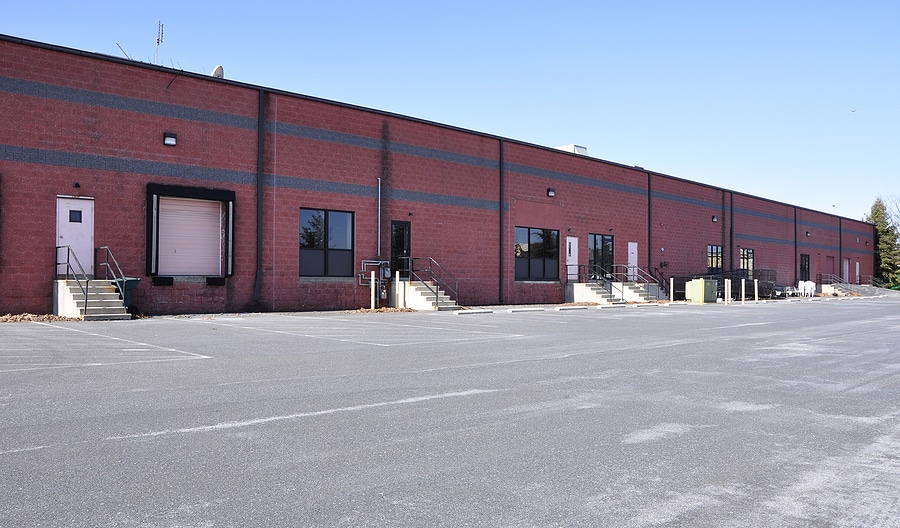
To start, the layout matters. A small office with two exterior doors is a very different project from a warehouse with multiple bays, shared entrances, and a staff door that stays busy all day. As the number of doors and zones increases, systems typically require more sensors, devices, and programming.
2. Monitoring
Next, consider what happens when no one is on-site. If your building is empty overnight—or only lightly staffed—24/7 business monitoring can be an important part of your security plan. While it adds ongoing costs, it also provides a response layer that self-monitoring may lack when the right person isn’t available to act quickly.
3. Cameras
Camera costs vary because performance needs vary. Basic situational awareness is less demanding than reliable identification at a doorway, license plate capture at an entry, or consistent visibility at a loading dock. Once the goals are defined, selecting and placing security cameras becomes more straightforward.
4. Access Control
Access control is more than a wall-mounted keypad. In practice, it’s a combination of readers, control panels, software, user permissions, and event logs—and federal PACS guidance treats it as a multi-component system that requires coordination. In many buildings, door hardware and egress requirements also factor into scope: UL Solutions notes that controlled-entry and special locking arrangements must account for code-compliant egress and other life-safety considerations, which can affect design decisions and total cost.
5. System Complexity
Finally, cost often depends on how many devices you want working together across your building. To start, a basic setup might cover a few key entry points. From there, the scope grows as you add layers—like motion detectors for larger areas, glass-break detectors for window-heavy spaces, and panic buttons for emergencies. As that system expands, more time goes into planning the layout, configuring devices, testing performance, and training staff, which can increase the overall project cost.
Get a Quote That Fits Your Site
Stop pricing security in the abstract. Blue Line Security can walk your site, identify the gaps that matter most, and put together a straightforward quote for the right mix of alarms, monitoring, cameras, and access control. Contact our team at (757) 690-2111 to request a consultation.